

April 23, 2025 By
How Consumers Can Navigate Tariff Impacts and Keep More Money in Their Pockets
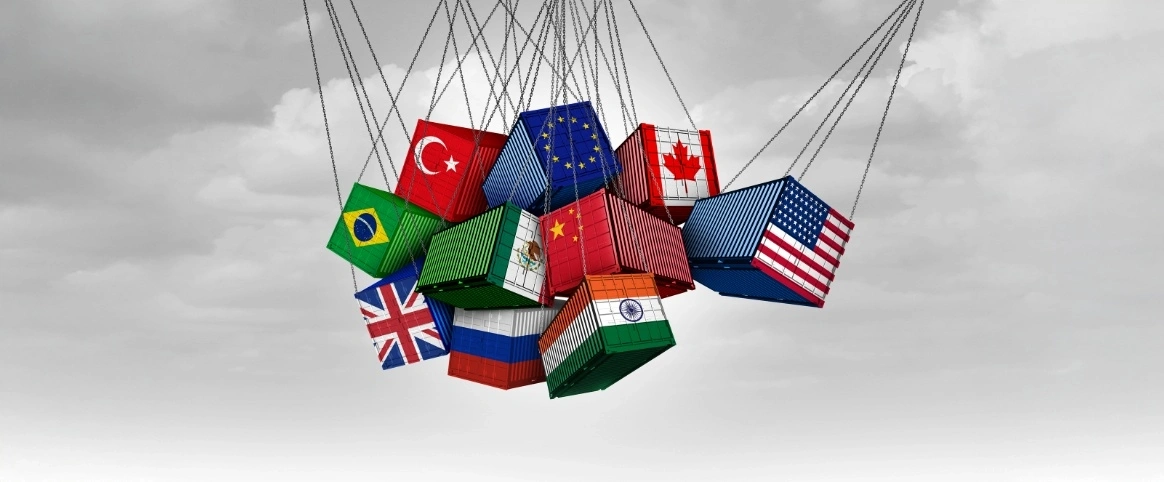
Tariffs, or taxes on imported goods, can shake up your budget by driving up prices for everything from groceries to gadgets. While these fees aim to support domestic industries or balance trade, they often mean higher costs for consumers. The good news? You don’t have to let tariffs empty your wallet.
In this blog, we’ll dive into practical, consumer-focused strategies to save money when tariffs hit, from savvy shopping to leveraging financial tools like no-fee banking. Let’s explore how you can stay ahead and keep your finances thriving.
Understanding Tariffs and Their Impact
Tariffs increase the cost of goods entering the country, like a 10% fee on imported electronics that could add $20 to a $200 tablet’s price. Importers often pass these costs to consumers, leading to higher prices for items like clothing, cars, or even coffee. Beyond direct price hikes, tariffs can limit product availability or spark broader inflation, making everyday expenses feel heavier.
For consumers, this means your dollar might not stretch as far. A tariff on imported produce could bump up your grocery bill by 5–10%, while one on auto parts might make that new car pricier. But don’t worry—there are plenty of ways to fight back and save. Here’s how to take control.
1. Shop Smarter to Beat Price Hikes
When tariffs push prices up, strategic shopping becomes your superpower. Here’s how to keep costs down:
- Hunt for Deals: Use price-comparison apps like ShopSavvy or browser extensions like Honey to find the lowest prices across retailers. If tariffs raise the cost of imported shoes, you might snag a similar pair on sale at a discount store.
- Buy in Bulk: Stock up on non-perishable goods—like canned foods or toiletries—before tariff-driven price increases hit. Warehouse clubs like Costco can save you 20–30% on bulk buys compared to regular retail.
- Go Generic: Store brands often cost 15–25% less than name brands and aren’t always affected as heavily by tariffs, especially if sourced domestically. For example, if imported olive oil spikes, try a local generic brand.
- Time Your Purchases: Watch for seasonal sales (like Black Friday or back-to-school events) to offset tariff costs. If electronics face tariffs, grabbing that laptop during a holiday sale could save you hundreds.
Pro Tip: If tariffs target specific goods, check thrift stores or online marketplaces like eBay for gently used alternatives. A pre-owned designer jacket could cost half what a tariff-hit new one does.
2. Switch to Domestic Alternatives
Tariffs make imported goods pricier, so leaning into domestic products can save you cash. Many U.S.-made items avoid tariff costs entirely, keeping prices stable.
- Food and Groceries: If tariffs hit imported fruits or cheeses, shop at farmers’ markets or choose local brands. A California apple might cost less than a tariffed import from abroad, and you’re supporting nearby growers.
- Clothing and Accessories: Look for “Made in the USA” labels on jeans, shoes, or bags. Brands like American Giant or New Balance offer quality options that might dodge tariff hikes on foreign textiles.
- Electronics and Appliances: While many gadgets are imported, some companies assemble products domestically. Research brands like Element TVs, which are made in the U.S., to avoid tariff-driven price bumps.
Example: A 20% tariff on imported coffee could add $2 to a $10 bag. Switching to a local roaster might keep your cost at $10 while maintaining quality. Plus, you’re boosting the domestic economy!
3. Rethink Big Purchases
Tariffs on big-ticket items like cars, appliances, or furniture can sting, but you can save by adjusting your approach:
- Delay When Possible: If tariffs are new, prices may stabilize as supply chains adjust. Waiting 6–12 months for a tariffed refrigerator could mean better deals if retailers compete harder.
- Buy Used or Refurbished: A certified pre-owned car or refurbished washer can save 20–40% compared to new models hit by tariffs on parts or materials.
- Negotiate: Dealerships and retailers often have wiggle room on tariff-affected items to clear inventory. Haggling on a tariffed SUV could knock off $1,000 or more.
Data Point: Tariffs on washing machines in 2018 raised prices by about 12%. Consumers who bought refurbished models or negotiated saved an average of $100–$200 per unit.
4. Leverage No-Fee Banking to Stretch Your Budget
Every dollar counts when prices rise, so cutting banking costs is a smart move. Accounts like our Easy Checking Account, with no monthly fees and free features, let you keep more of your money.
Avoid Unnecessary Fees: Many banks charge $5–$15 monthly for checking accounts. Switching to a no-fee option like Easy Checking saves you $60–$180 a year, which could cover a tariff-driven grocery bill increase.
Access Free Tools: Meriwest’s digital banking offers free budgeting apps and alerts to track spending, helping you spot areas to cut back if tariffs hit your favorite products.
Earn Better Rates: Credit unions often provide higher savings rates or lower loan rates. Refinancing a tariff-affected car loan through Meriwest could lower your monthly payment by $20–$50.
Example: If tariffs add $30 to your monthly expenses, saving $10 a month on banking fees and $20 on a refinanced loan balances things out—no lifestyle changes needed.
5. Explore Financial Assistance and Rewards
Tariffs might strain your budget, but financial programs can ease the pressure:
- Cashback and Rewards: Use credit cards with 2–5% cashback on groceries or gas to offset tariff costs. For instance, $500 in monthly spending at 3% cashback earns $15 back—enough to cover a tariffed item or two.
- Loyalty Programs: Join retailer loyalty programs for exclusive discounts. If tariffs raise clothing prices, a 10% off coupon from a store like Target could keep your bill in check.
- Community Resources: Credit unions like Meriwest often host free financial workshops (think estate planning or budgeting seminars) to help you save smarter. These can teach you how to stretch your dollar further.
Pro Tip: Stack rewards—use a cashback card at a loyalty program store during a sale. Buying tariffed headphones with 5% cashback, a 10% loyalty discount, and a sale could save you $30 on a $100 item.
6. Stay Informed and Plan Ahead
Knowledge is power when tariffs loom. Here’s how to stay proactive:
- Track Tariff News: Follow updates on sites like Bloomberg or the Wall Street Journal to know which goods might get pricier. If tariffs are proposed for electronics, buy that new phone before prices jump.
- Budget for Increases: Assume a 5–10% rise in affected categories (like apparel or tech) and adjust your budget. Cutting one coffee shop visit a week ($20/month) could cover a tariffed grocery hike.
- Build a Buffer: Save $50–$100 monthly in a high-yield savings account (Meriwest offers competitive rates) to handle unexpected price spikes without stress.
Data Insight: Consumers who budgeted for tariff impacts in 2018–2019 were 30% less likely to dip into savings for routine expenses, per a Federal Reserve study.
Why Saving Matters Now
Tariffs can hit fast, raising costs for imported goods by 10–25% or more, depending on the product. A $200 tariffed TV could cost $240, and a $50,000 car might jump to $52,500. These increases add up, especially for essentials. By shopping smart, choosing domestic options, and using tools like Meriwest’s no-fee Easy Checking, you can offset those costs and maintain financial flexibility.
The bigger picture? Saving isn’t just about dodging tariffs—it’s about building habits that keep you secure no matter what the economy throws your way. Whether it’s skipping bank fees, snagging discounts, or planning purchases, every small step strengthens your wallet.