

December 11, 2024 By
The Low-Tech Strategy Scammers Use to Infiltrate Your Bank Account
In an increasingly digital world, the convenience of online banking and transactions comes with its own set of risks. Recent data from cybersecurity firm BioCatch has revealed a startling trend - digital scams reported by banks have surged tenfold during the first three quarters of 2024 compared to the same period last year. What is even more concerning is that scammers are not necessarily leveraging sophisticated technology to carry out their malicious activities; instead, they are exploiting low-tech human error.
The report, which analyzed data from 170 banking institutions in the U.S. and Canada, differentiates between fraud and scams in the realm of cybercrime. While both aim to deceive individuals and extract money from them, fraud typically involves unauthorized access to one's account to carry out transactions without consent. On the other hand, scams involve manipulating individuals into paying money under false pretenses, often through tactics like impersonation or creating emergency scenarios.
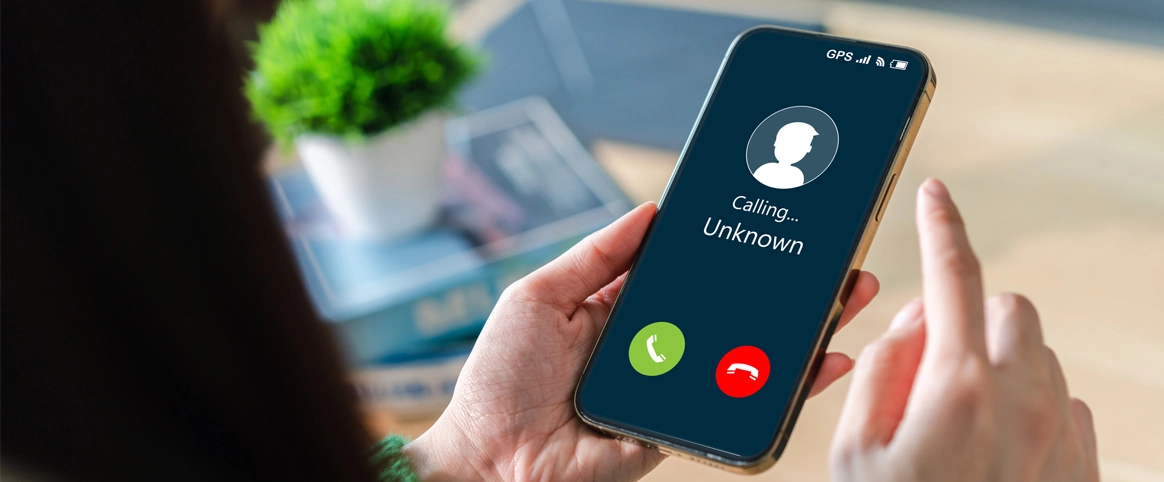
Social engineering scams have particularly seen a surge, now accounting for 23% of all digital banking fraud. This category encompasses a range of deceptive practices, including phishing (fraudulent emails to obtain sensitive information), vishing (using voice messages for scamming purposes), and smishing (exploiting text messages for fraudulent activities). This trend underscores the realization among fraudsters that human vulnerabilities present a lucrative opportunity for exploitation.
As our dependency on digital platforms continues to grow, it is imperative for individuals to remain vigilant against potential scams and fraud attempts.
Here are some key practices to safeguard yourself against digital threats:
- Be Wary of Communication Requests: Exercise caution when receiving unsolicited calls, emails, or text messages that request personal information or immediate financial transactions.
- Verify Identities: Always verify the identity of the person or institution contacting you before sharing any sensitive information or making payments.
- Stay Informed: Keep abreast of common scam tactics and stay informed about the latest cybersecurity threats to better protect yourself from falling victim to fraud.
- Enable Two-Factor Authentication: Strengthen the security of your online accounts by enabling two-factor authentication, which adds an additional layer of protection.
- Report Suspicious Activities: If you encounter any suspicious activity or suspect a potential scam, report it to your bank or relevant authorities promptly.
As the digital landscape continues to evolve, so do the tactics employed by fraudsters. By staying informed, adopting best security practices, and exercising a healthy dose of skepticism, individuals can better shield themselves from falling prey to digital scams. Remember, while technology may advance, the human element remains a critical factor in safeguarding against cyber threats. Stay vigilant, stay informed, and stay secure.