

May 20, 2024 By
Protecting Yourself from Fake Check Scams: Tips and Warning Signs
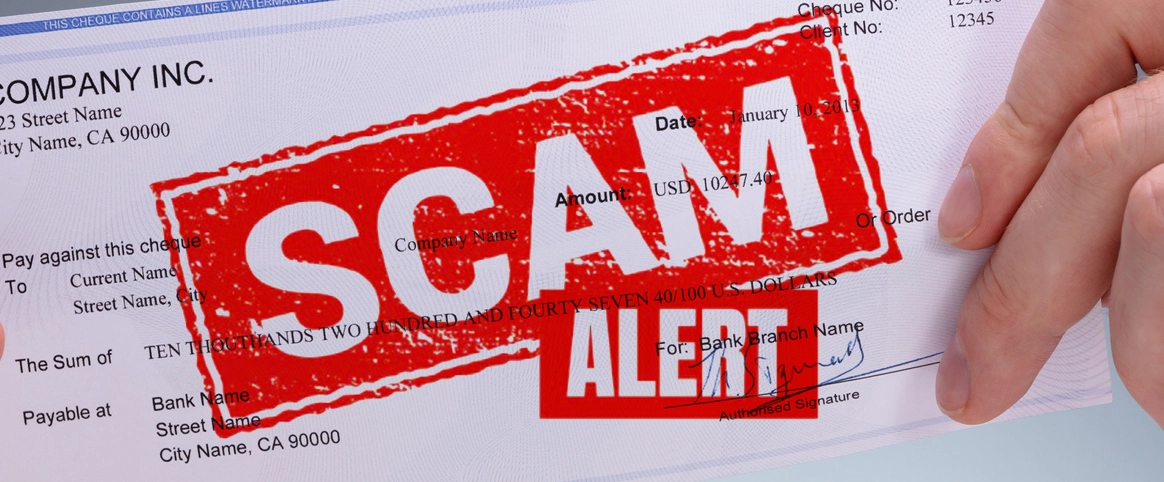
Fake check scams are becoming increasingly prevalent, with scammers employing various techniques to deceive unsuspecting victims. These scams involve counterfeit checks that appear authentic, often issued by legitimate businesses or individuals. However, the ultimate intention remains consistent – to trick individuals into depositing fraudulent checks and sending actual money back to the scammers. In this article, we will provide essential tips to prevent falling victim to fake check scams.
Thoroughly Verify Suspicious Checks
Even if a deposited check's funds become available in your account swiftly, it does not guarantee the check's legitimacy. It is crucial to understand that federal law mandates financial institutions to expedite fund availability, regardless of the check type. When in doubt about a received check, promptly contact your financial institution. Provide them with details about the source, purpose, and any requests to send money back.
Be Wary of Authentic-Looking Counterfeit Checks
Fraudsters employ advanced technology to craft counterfeit checks that closely resemble genuine counterparts. Exercise vigilance when dealing with money orders, cashier's checks, or personal/business checks, as scammers can manipulate them to appear real. Even if the company name on the check seems legitimate, it could be altered without their knowledge. Scrutinize every detail to identify any discrepancies or irregularities.
Beware of "Pay-to-Play" Requests
Legitimate individuals or businesses will never require you to wire money back to them or return an amount exceeding what you are owed. These actions serve as red flags indicating potential scams. If you sell something to a stranger and receive payment in person, insist on a cashier's check for the exact amount, preferably issued by a local bank or credit union with a physical branch. This step ensures the check's authenticity promptly.
Exercise Caution with Online Solicitations
Avoid responding to online offers promising easy money, especially through activities like card cracking. Such opportunities are often illegal and rarely legitimate. Remember, there are no shortcuts to legitimate earnings. If it seems too good to be true, it probably is.
Verfiy the Requestor Before Sending Payment
Before issuing a check or wiring money, it is essential to verify the recipient's identity. Scammers may contact you via phone, email, or even text, instructing you to send funds through these channels. Take the time to confirm the legitimacy of the request and perform thorough due diligence on the recipient. Avoid rushing into financial transactions without conducting proper verification steps.
Conclusion
Fake check scams pose a significant threat in today's digital age, but by staying informed and vigilant, you can protect yourself from falling victim to these schemes. Remember to promptly report any suspected fraud to your financial institution. Their expertise in identifying fraudulent checks can help mitigate potential risks. If you suspect someone is attempting a fake check scam, refrain from depositing the check and report it immediately. By staying cautious and informed, you can safeguard your finances and personal information from these fraudulent activities.